
How Does Hair Transplantation Work for Restoring Hair Loss?
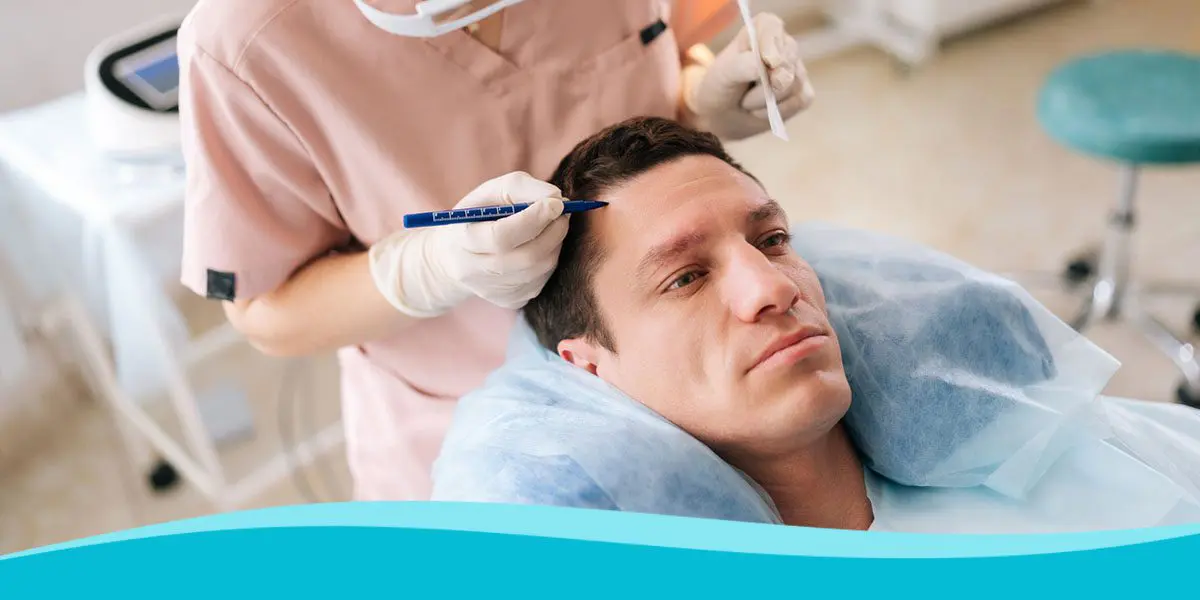
Hair transplants are an option for those looking to restore lost hair and regain their confidence. Understanding how hair restoration works is valuable for your initial research and helps you feel more confident in your decision. Trust Contour Dermatology and Cosmetic Surgery Center to help you understand the process.
How Does Hair Restoration Work?
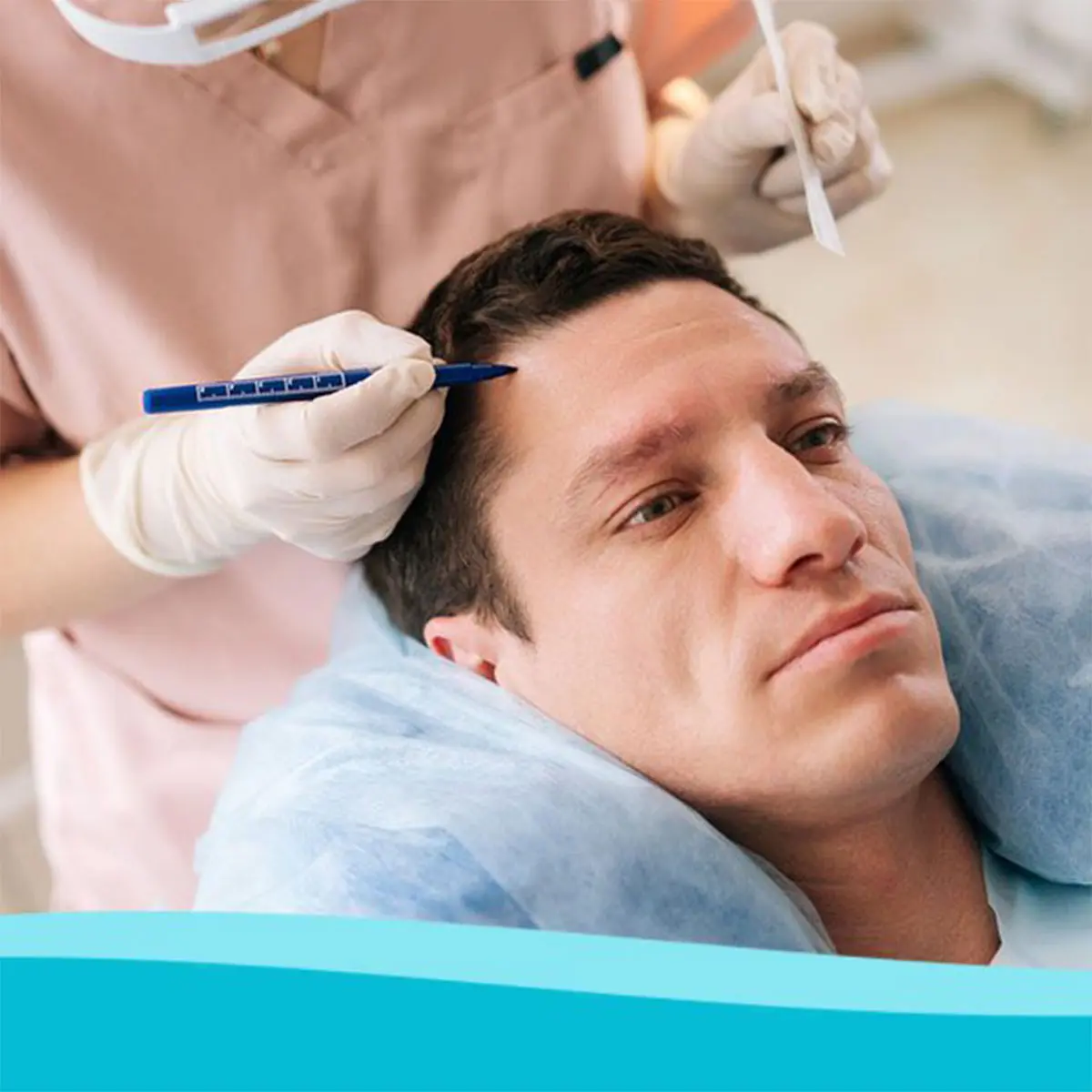
Hair transplants are an option for those looking to restore lost hair and regain their confidence. Understanding how hair restoration works is valuable for your initial research and helps you feel more confident in your decision. Trust Contour Dermatology and Cosmetic Surgery Center to help you understand the process.
How Does Hair Restoration Work?
A hair transplant is a surgical procedure that transplants healthy hair follicles from one part of the head to another. Hair follicles, the small structures at the end of the hair shaft under the skin, control the growth cycle. When follicles shrink, they grow thinner hair and can stop growing hair altogether, but follicles often shrink in patches, such as along the hairline or back of the head. A hair transplant works by restoring hair loss in these areas.
Hair transplants are long-lasting procedures. Once hair follicles are moved to their new part of the scalp, they’ll grow hair as they always have, helping you achieve a fuller, more consistent head of hair. Hair transplants are safe procedures when performed by a qualified and board-certified physician.
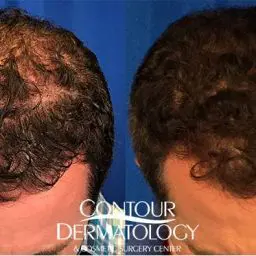
Hair transplant effectiveness is dependent on graft survival. The risk of grafts failing to “take” is very small because this process uses follicles from your own body. Using your own follicles makes it easier for your scalp to accept the graft, leading to a high transplant success rate for the majority of recipients.
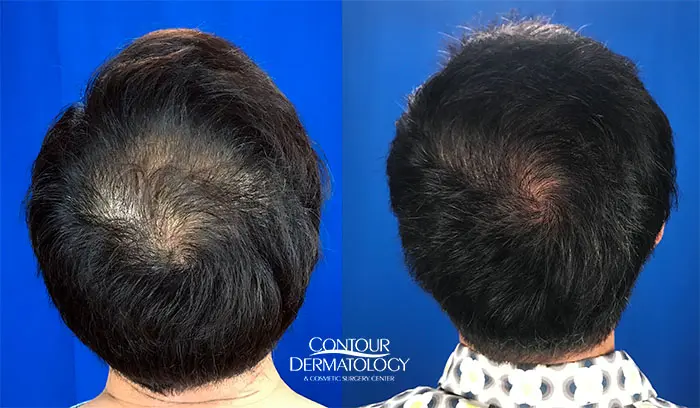
…Once hair follicles are moved to their new part of the scalp, they’ll grow hair as they always have.
How Does Hair Restoration Work?
A hair transplant is a surgical procedure that transplants healthy hair follicles from one part of the head to another. Hair follicles, the small structures at the end of the hair shaft under the skin, control the growth cycle. When follicles shrink, they grow thinner hair and can stop growing hair altogether, but follicles often shrink in patches, such as along the hairline or back of the head. A hair transplant works by restoring hair loss in these areas.
Hair transplants are long-lasting procedures. Once hair follicles are moved to their new part of the scalp, they’ll grow hair as they always have, helping you achieve a fuller, more consistent head of hair. Hair transplants are safe procedures when performed by a qualified and board-certified physician.
Hair transplant effectiveness is dependent on graft survival. The risk of grafts failing to “take” is very small because this process uses follicles from your own body. Using your own follicles makes it easier for your scalp to accept the graft, leading to a high transplant success rate for the majority of recipients.
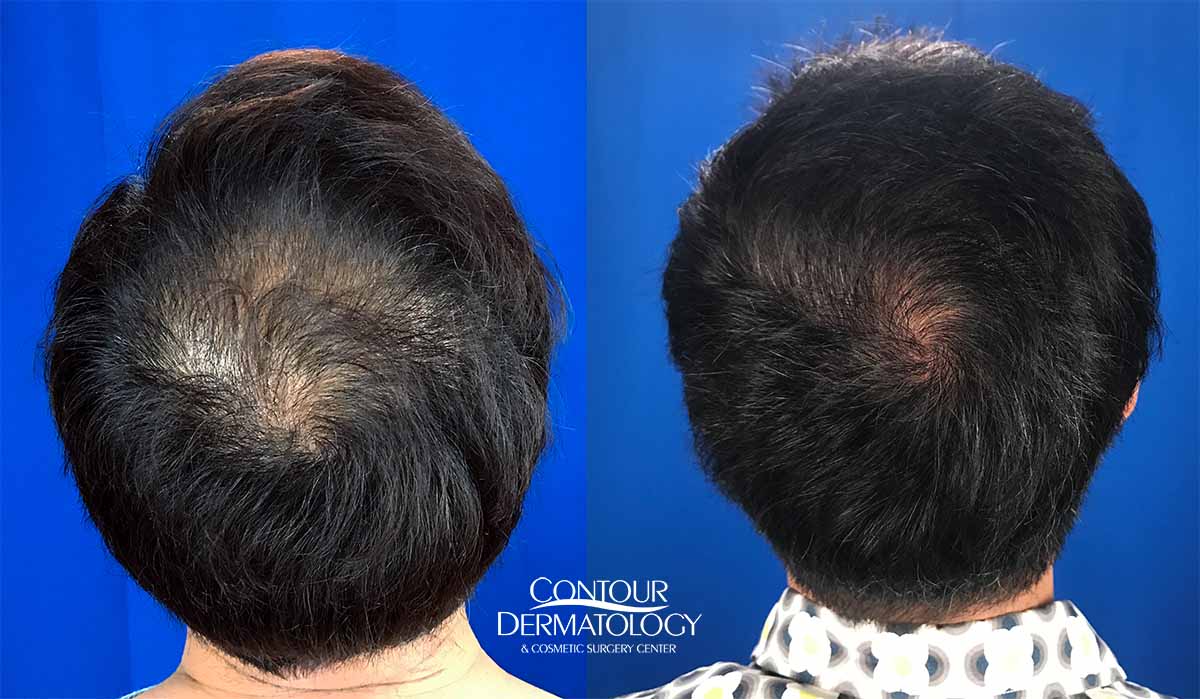
…Once hair follicles are moved to their new part of the scalp, they’ll grow hair as they always have.
FUE vs. FUT Hair Transplants
The actual hair transplantation procedure varies depending on the type of transplant. There are two main types of hair transplant procedures: Follicular Unit Extraction (FUE) and Follicular Unit Transplantation (FUT). The main difference between these two treatments is how the follicles are moved from one part of the scalp to the other.
Both types of transplants take three to four months for initial results to show, while full results can be expected after 12 to 18 months. Regardless of the method, recipients can enjoy natural-looking hair transplants.
FUE Hair Transplant Explained
For FUE, a surgeon will remove and transplant follicles individually. The benefit of this procedure is the absence of a linear scar, which is common with FUT. Patients can look forward to minimal scarring, usually 0.8 to 1.1 millimeters in diameter and virtually undetectable. If you want your hair transplanted along the hairline or prefer to wear your hair shorter, this procedure might be a better option.
FUT Hair Transplant Explained
FUT involves removing and transplanting follicles with thin strips of tissue. Transplanting a strip of tissue will create a fine linear scar where the follicles are implanted. Recipients can easily cover this scar with hair that’s at least half an inch long. If you prefer to wear your hair longer, the linear scar will be unnoticeable when new hair grows in.
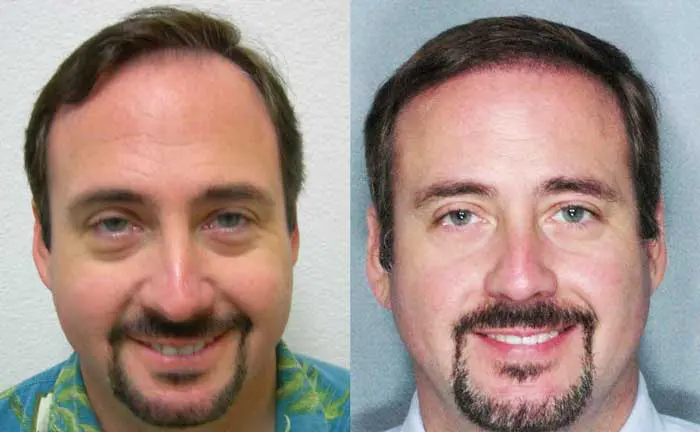
…FUE and FUT are both excellent options.
Choosing the Right Hair Loss Treatment Option for You
The best hair transplant candidates have healthy hair growth on the back and sides of their heads. This hair growth is necessary because the healthy follicles will be transplanted to the areas of your scalp that no longer grow hair. As long as you meet those criteria, FUE and FUT are both excellent options. Consider the following:
- Cost: FUE requires more advanced tools and precision, so it often costs more than FUT.
- Fullness of hair: FUT typically yields more hair per session because full strips are transplanted over individual follicles. If you’re looking for maximum fullness, FUT may be preferred.
- Scarring: With FUE, patients may see tiny, dot-like scars that are often unnoticeable, but FUT leaves a linear scalp scar. While the FUT scar can be easily covered with hair growth, some people prefer FUE for less visible scarring.
- Healing time: The linear scar with FUT requires extra healing time compared to FUE. It’s recommended to avoid excessive sweating while healing, so you’ll have to hold off on heavy exercise. If you have an active lifestyle, FUE might be beneficial for faster healing.
Learn More From Contour Dermatology and Cosmetic Surgery Center
Contour Dermatology and Cosmetic Surgery Center can help you restore your confidence with hair restoration. Schedule a consultation with us to learn more.
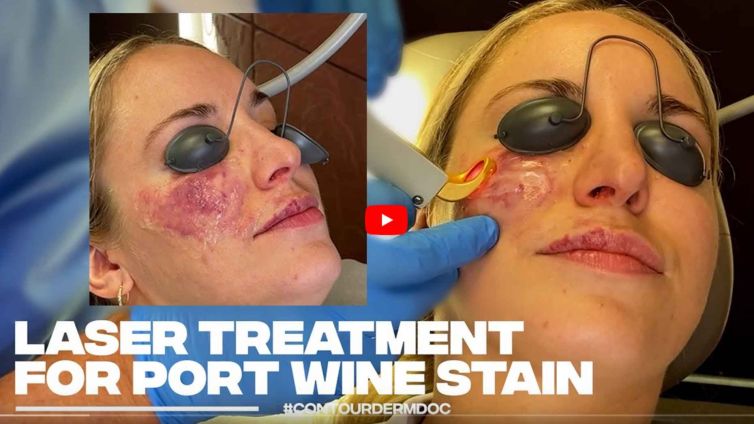
Board Certified Dermatologist Dr. Timothy Jochen treats a Port Wine Stain on the face using the Excel V for today’s #ContourDermDoc
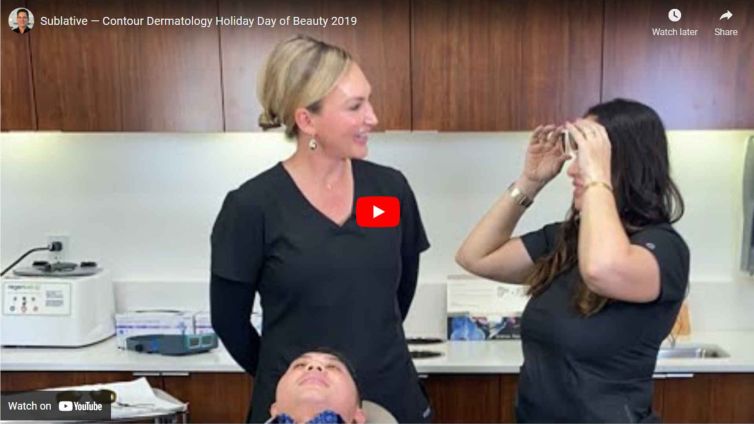
Laura Moroney, our Nurse Practitioner here at Contour Dermatology performs Sublative during one of our live demonstrations on our Holiday Day of Beauty 2019.
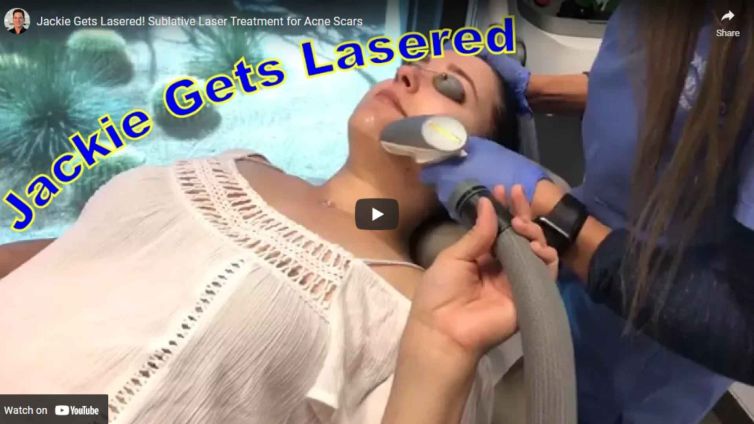
Nurse Practitioner Xarlyn treats Jackie’s acne scars with our Sublative Laser. This is a RF laser treatment for acne scars that stubbornly stick around.
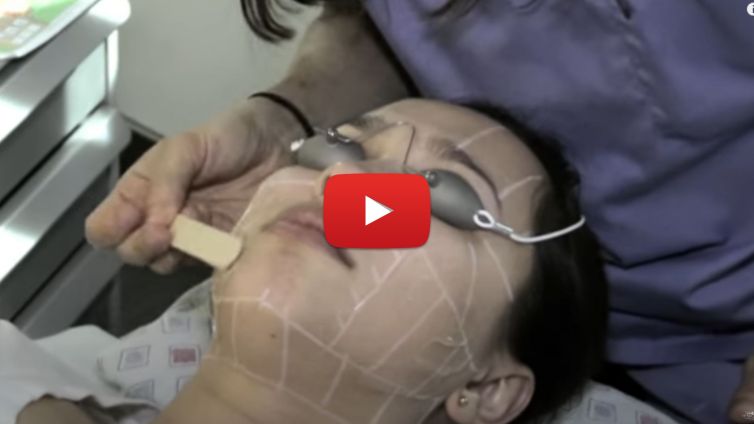
With the wedding fast approaching, Brides Maid May Lissa is getting an Ultherapy treatment to tighten her face and neck. Jessica Neal, NP-C explains and treats.
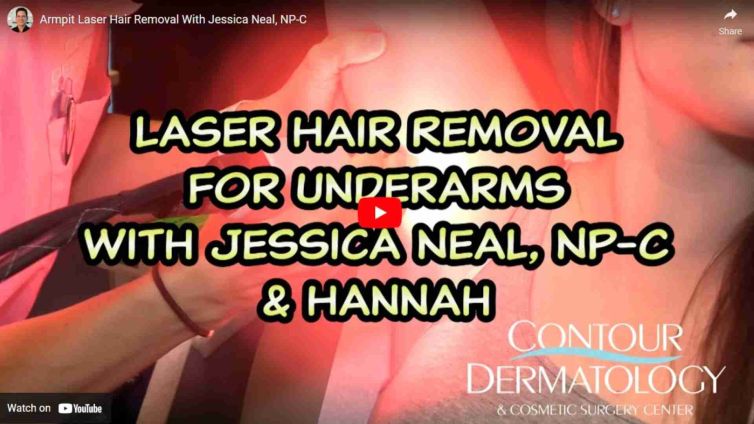
Laser hair removal is a popular non-invasive treatment that has been proven to adequately remove hair from any unwanted area.
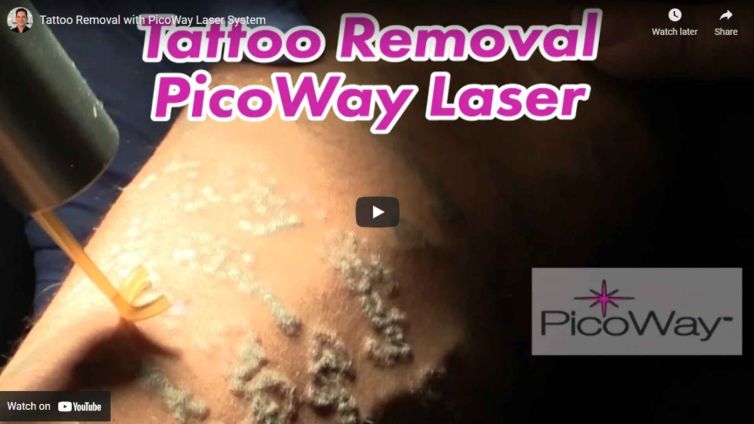
The PicoWay® hand piece delivers short, ultra pulses of energy that are so fast, they are measured in “Pico seconds” that are trillionths of a second.


-256x256.jpg "NeoGraft Hair Transplant, 2500 Grafts | Contour Dermatology")