
Desert Skincare Routine: How Extreme Heat and Dry Air Affect Your Skin

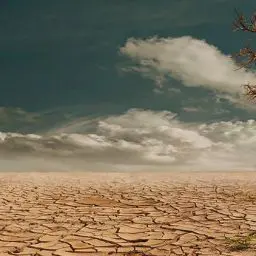
The Coachella Valley’s desert environment, located near where the Mojave and Sonoran deserts meet, creates a unique confluence of extreme heat, low humidity, intense ultraviolet (UV) radiation and windblown dust that can alter your skin’s biological systems.
If your skin has felt tighter, drier or less resilient since settling into desert life, the right knowledge can be the difference between a lackluster complexion and one that looks radiant and healthy.
Understand why climate-driven moisture loss and barrier breakdown affect your skin and how a practical, targeted skincare routine for dry desert air can counteract environmental reactions. You’ll also discover how professional help can take your results even further.
Why Desert Conditions Take a Toll on Your Skin
Understanding the three main effects of a desert environment on your skin gives you the vocabulary to recognize what you’ve been experiencing and, more importantly, the confidence to fight back for your skin.
1. Accelerated Moisture Loss
Your skin constantly loses water to the air, a process dermatologists call transepidermal water loss (TEWL). In a humid climate, the air holds enough moisture to slow this process down. But the Coachella Valley’s average relative humidity is often between 20% and 30%.
Once you understand that climate is largely responsible for this moisture loss, the fix is more achievable. One study on desert populations found that regular moisturizer use significantly improved skin barrier function, with a notably more pronounced effect in desert dwellers than in those living in temperate climates.
2. Barrier Breakdown and Chronic Inflammation
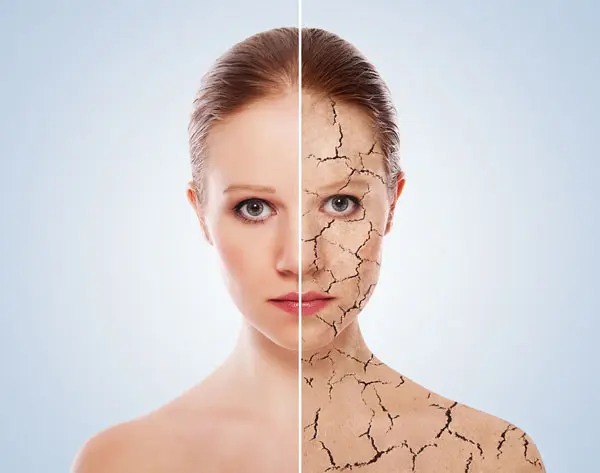
When TEWL goes unchecked, the skin’s outer protective layer starts to weaken. This leads to flaking, redness, sensitivity and that tight, uncomfortable feeling after time outdoors. Even naturally oily or combination skin isn’t immune. Dehydrated skin can look shiny on the surface while feeling tight and uncomfortable underneath. Oily skin still needs moisturizer to stay balanced, even when it doesn’t feel like it.
Prolonged exposure to heat can trigger inflammation. In fact, extreme heat events can worsen inflammatory skin conditions.
3. UV Damage and Premature Aging
UV exposure is the desert’s most persistent skin stressor, but there is a lot you can do to protect yourself. Intense UV radiation breaks down collagen and elastin over time, which shows up as wrinkles, dark spots and hyperpigmentation. In the Coachella Valley, the UV Index frequently reaches the “Very High” to “Extreme” categories, the highest levels on the scale, even on cloudy days, since 80% of UV rays penetrate clouds.
The stakes go beyond appearance. Skin cancer is the most common cancer in the United States, with roughly 1 in 5 Americans developing it in their lifetime. California’s melanoma rate is close to the national average. UV exposure is also a major driver of hyperpigmentation and melasma, which causes brown patches on the face. The solution is consistent, quality sun protection.
Your Desert Skincare Routine
Now that you understand what the desert does to your skin, here’s how to counteract it. Building a desert skincare routine around a few key principles gives you a foundation that actually works for this climate. A dermatologist can help personalize these steps to your skin.
Morning — Defend and Protect
Protecting your skin starts before you step outside. Here’s how to protect your skin in the desert heat each morning:
- Cleanse gently: Use a non-foaming cleanser. Foaming formulas can strip natural oils your skin needs in a dry climate. A sonic cleansing brush like the Clarisonic® can deepen the clean without extra stripping.
- Apply a hydrating moisturizer: Adding a layer of hydrating serum or moisturizer after cleansing can help restore moisture.
- Seal with ceramides: A ceramide-rich moisturizer locks in that hydration and reinforces your skin’s barrier.
- Apply broad-spectrum SPF 30 or higher: SPF 30 blocks 97% of ultraviolet B rays. Choosing the right sunscreen and reapplying every two hours outdoors is among the most impactful habits for protecting against premature skin aging in the desert.
Evening — Repair and Restore
Evenings are your recovery window, when your skin attempts to repair itself. The right products make that process work harder for you. A concise routine covers the essentials:
- Cleanse away the day: Remove sunscreen, dust and environmental residue with a gentle cleanser that doesn’t strip your skin.
- Tone gently: Follow with an alcohol-free toner or essence to restore hydration without disrupting your skin’s pH.
- Repair with ceramides: Apply a barrier-repair moisturizer while skin is still slightly damp to maximize absorption.
- Consider a retinoid: Tretinoin and other retinoids support cell turnover and collagen. Introduce them slowly and under a dermatologist’s guidance, especially if your barrier may already be compromised by desert conditions.
When it comes to strategies for managing dry skin, consistency matters more than any single product.
Professional Treatments for Desert Skin
A well-built at-home routine goes a long way, but professional treatments can reset, repair and elevate results in ways products alone cannot. These treatments are designed to complement your daily routine when performed by board-certified dermatologists and estheticians who understand how desert conditions affect your skin:
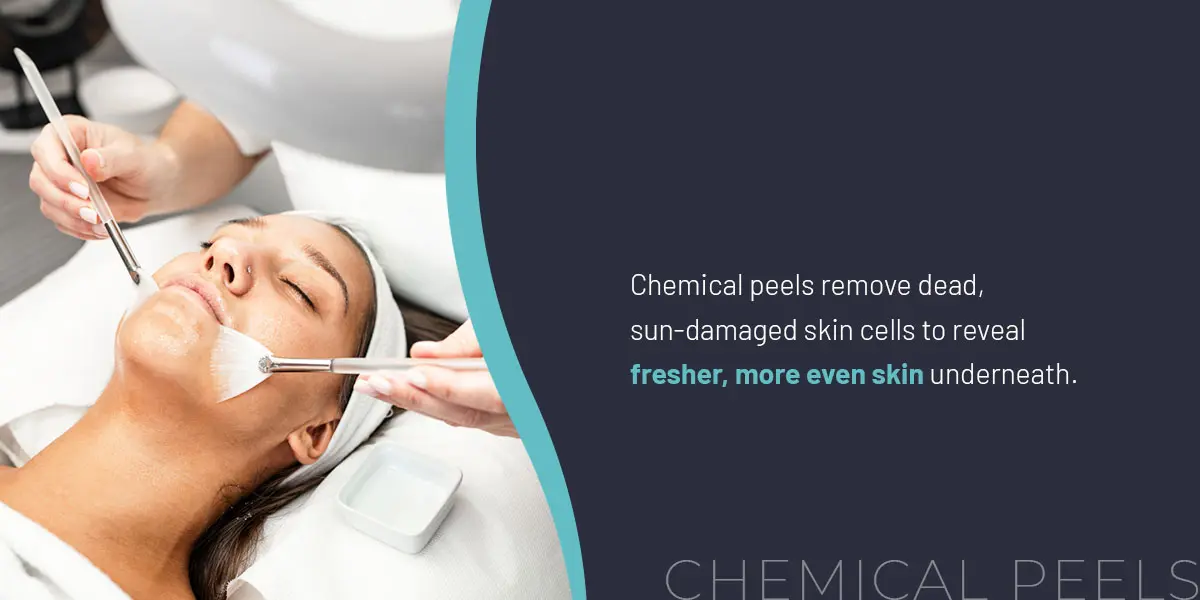
- Chemical peels: Chemical peels remove dead, sun-damaged skin cells to reveal fresher, more even skin underneath. These treatments address desert-specific concerns like hyperpigmentation, fine lines, dullness and uneven texture. Options range from mild glycolic peels to medium-depth trichloroacetic acid peels, with minimal-downtime choices available depending on your skin type and goals.
- DiamondGlow®: DiamondGlow® is a noninvasive treatment that exfoliates, extracts and infuses your skin with professional-grade hydrating serums. This makes it especially well-suited for desert skin that needs deep cleaning and intensive moisture replenishment. It’s an ideal option if you want visible results with no downtime.
Ask about a personalized treatment plan during your consultation to see which of these options fits your skin’s needs.
Schedule a Skin Consultation at Contour Dermatology and Cosmetic Surgery Center
Managing skin in a desert climate gets easier with an intentional desert skincare routine and professional guidance. Together, they help protect your skin from further damage and counteract the effects heat, sun and low humidity leave behind.
Contour Dermatology and Cosmetic Surgery Center, led by board-certified dermatologist Dr. Timothy Jochen, builds personalized regimens around your skin type, concerns and the desert conditions you live in every day. Schedule your consultation today and take the next step toward healthier, more resilient skin.