
BPC 157 Shows Great Potential To Repair & Renew
BPC 157 peptides, also known as Body Protecting Compound 157, consist of a chain of 15 amino acids and originate from human gastric juices. Your body already produces BPC-157 in very small amounts, which signals certain processes and helps protect the digestive system. Researchers believe that if you get the super-concentrated version of BPC-157 into your system, it potentially has very high regenerative effects.
The primary way BPC-157 promotes healing is by activating a protein that signals the body to create new blood vessels. Blood vessels function as the network that delivers oxygen, nutrients, and repair materials to damaged tissues. Without an adequate blood supply, injured tissues cannot heal properly.
Overall, BPC-157 increases blood flow to damaged areas, promotes new blood vessel formation, encourages cell survival and growth, and facilitates cell migration to injury sites. It also balances inflammatory responses to prevent excessive tissue damage while promoting necessary healing inflammation. Physicians can administer the peptide by injection, intravenous infusion, or orally.
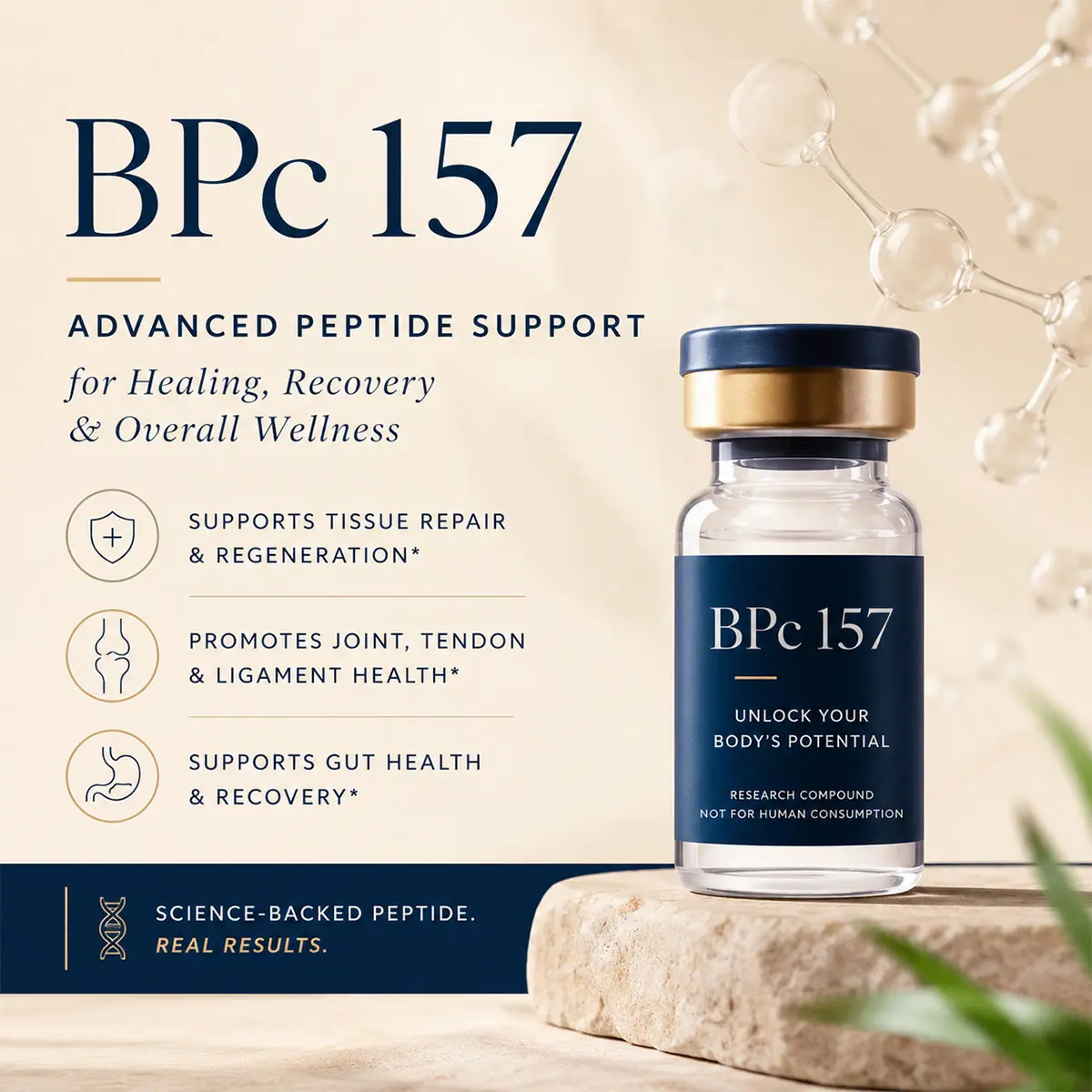
BPC 157 Shows Great Potential To Repair & Renew
BPC 157 peptides, also known as Body Protecting Compound 157, consist of a chain of 15 amino acids and originate from human gastric juices. Your body already produces BPC-157 in very small amounts, which signals certain processes and helps protect the digestive system. Researchers believe that if you get the super-concentrated version of BPC-157 into your system, it potentially has very high regenerative effects.
The primary way BPC-157 promotes healing is by activating a protein that signals the body to create new blood vessels. Blood vessels function as the network that delivers oxygen, nutrients, and repair materials to damaged tissues. Without an adequate blood supply, injured tissues cannot heal properly.
Overall, BPC-157 increases blood flow to damaged areas, promotes new blood vessel formation, encourages cell survival and growth, and facilitates cell migration to injury sites. It also balances inflammatory responses to prevent excessive tissue damage while promoting necessary healing inflammation. Physicians can administer the peptide by injection, intravenous infusion, or orally.
Numerous Studies Show that BPC-157 May Accelerate Wound Healing:
- BPC-157 has shown potential in preclinical studies to promote tendon-to-bone healing and accelerate recovery from musculoskeletal injuries.
- BPC-157 plays a crucial role in maintaining bone and joint health.
- Research suggests it may help repair damaged tissues by promoting new blood vessel growth and activating various cellular repair pathways.
- It may also have neuroprotective effects on the brain and nervous system.
- Studies suggest that BPC-157 may help improve overall digestive health.
Despite these findings from preclinical research, BPC-157 is not approved by any drug regulatory agency for human use. However, athletes and the general public have used BPC-157 mainly for injury recovery or to stimulate healing in chronic conditions. But there is very limited human trial data on efficacy and only a few preliminary safety studies, so health authorities discourage its use.
BPC 157 Potentially Promotes These Therapeutic Benefits:
- Accelerates wound and soft tissue injury healing
- Improves bone and joint health
- Improves digestive health
- Normalizes blood pressure
- Corrects potassium, calcium, and magnesium imbalance
- Strengthens the immune system
- Protects against NSAID toxicity and related adverse side effects
If you are considering using BPC-157, it is important to talk to one of our providers to assess the risks and benefits of this treatment and to provide guidance on how to use it safely.
- Reverses alcohol intoxication
- Improves mood and behavior
- Improves cognitive health
- Potential anti-cancer properties
More Skinny Newsletter Articles